The Long Game: Why Category Building and Customer Retention Go Hand in Hand

For SARELLY, the past year offers a compelling example. The Mexican beauty brand has announced a $3 million funding round to support its US expansion and will launch in more than 600 Target stores and on Target.com from September 10. 

In the beauty industry, finding true white space can feel like hitting the jackpot. It’s an incredibly crowded category, with brands often competing around the same ingredients, claims and consumer concerns. In prestige hair alone, new product launches increased more than 20% last year. Early on, I knew that if I was going to build a brand, it needed to stand for something we could build around long term. I remember thinking that I wanted my own protein, then my own peptide. What I was really looking for was something worth championing rather than following the same ingredients and conversations cycling through the industry.

For me, that became elastin. The science was already there, much like collagen, but the two had taken different paths. Collagen had become part of our everyday beauty vocabulary and grown into a global market valued at more than $11 billion, while elastin remained largely overlooked. I saw an opportunity to change that, and it became the foundation for my brand, NULASTIN.

But recognizing that opportunity was only the beginning. I quickly learned that identifying white space and building a meaningful position within it are two very different things. When you enter a category consumers already understand, you can focus on explaining why your product is different. When you are championing something less familiar, you first have to give people a reason to care. You are building the product and the understanding at the same time.

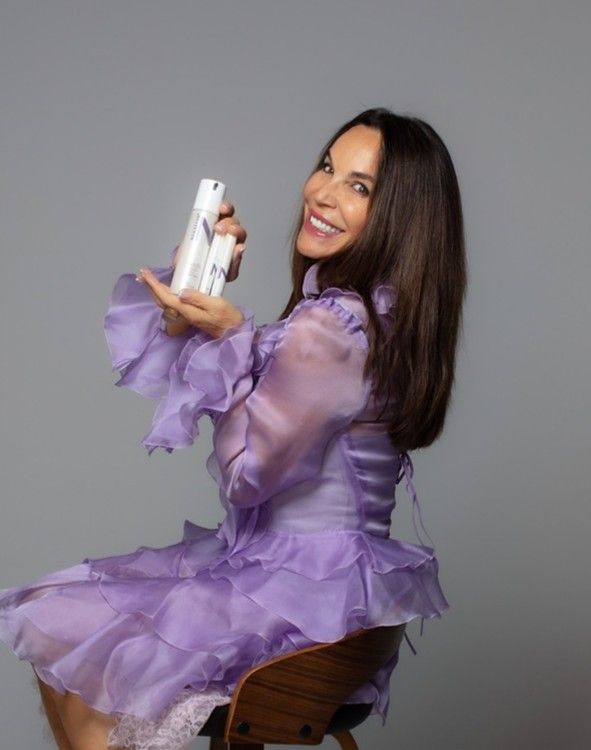
Leah Garcia

Leah Garcia, Founder, NULASTIN

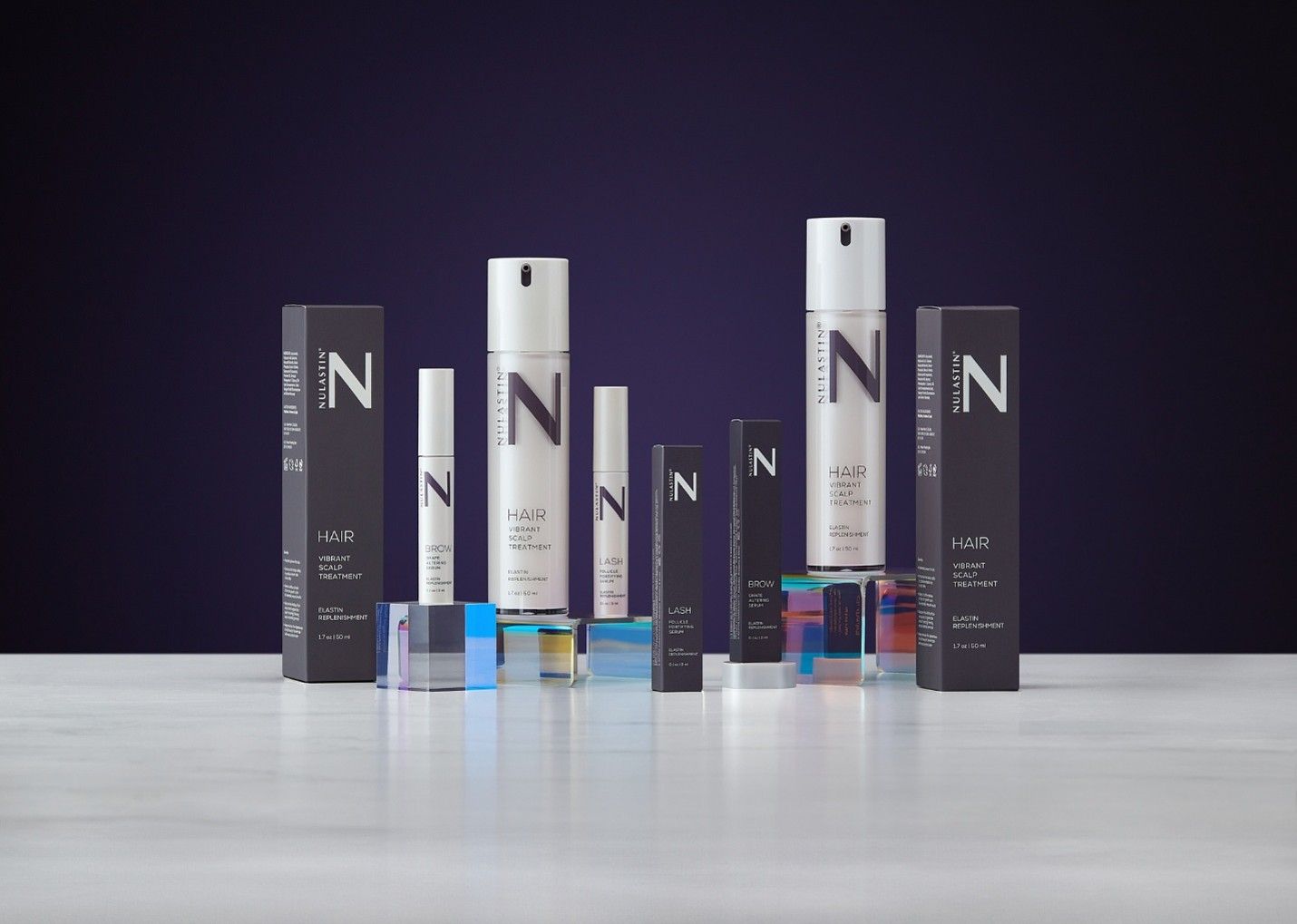
Nulastin product

That is where conviction comes in. Beauty is constantly moving on to the next ingredient, technology or trend, and I have watched plenty come and go while building NULASTIN. It would have been easy to shift our story to meet whatever was having a moment. Instead, we kept focusing on elastin, investing in the research and finding new ways to apply what we were learning across hair, lashes, brows and skin.

That experience changed the way I think about category leadership. Being early is one thing; earning a lasting place in the category is another. You can champion an idea and educate people around it, but you cannot simply declare yourself a category leader. I often reflect on the Australian cultural norm, “tall poppy syndrome,” where society discourages entrepreneurs from acting superior. Consumers ultimately decide whether what you are building has value, and you have to earn that over time through evidence, product performance and trust.

Getting someone to try something unfamiliar is one thing. Seeing them make it part of their routine tells you something much more meaningful.

Sarelly 1

Beauty has become incredibly good at driving trial. A great launch, viral moment, influencer endorsement or buzzy ingredient can get someone to make that first purchase. But the second, third and fourth purchases tell you something different: the product delivered enough value to become part of their routine.

That’s why I think about retention as more than a growth metric. At NULASTIN, we have focused on giving customers a reason to stay engaged beyond that first purchase, through continued education, listening closely to their feedback and, most importantly, creating products that deliver. That approach has helped us build a six-figure base of repeat customers and a subscriber community in the tens of thousands. When you are asking consumers to believe in something they might not understand, repeat purchase becomes real feedback. Acquisition tells you that you captured their attention; retention tells you that the value lasted beyond that initial interest.

Playing the long game does not mean picking an idea and stubbornly sticking with it. Staying committed also means continually proving that your original instinct was right. For us, that has meant investing in research, including our published peer-reviewed study on elastin and the hair follicle, listening to our customers and paying attention to how they actually use our products. The industry will keep changing, and it should. The challenge as a founder is knowing what you should evolve with and what is fundamental to what you are building.

Nearly every founder wants to find that elusive white space, but after years of building NULASTIN, I have learned that the real work is what comes next. You have to stay true to your core values, maintain a level of urgency with regard to advancing processes, technology and education, and most importantly, keep giving people a reason to understand what you are championing, believe in it and, ultimately, come back to it.

As beauty becomes even more crowded, I don't think the brands that last will necessarily be the ones that move fastest toward the next big thing-- they will be the ones that know what they stand for, keep proving why it matters and earn the right to keep building around it. Getting someone's attention can introduce a new idea. Getting them to come back is what gives it staying power.

Leah Garcia

Watch our video interview with Leah Garcia, where she talks about what NULASTIN is prioritizing to drive impact in 2027, the conversations she’s looking forward to at Beauty Connect LA next month, and more, on our Instagram or LinkedIn.

REGISTER before September 18th to save $100 on tickets to connect with NULASTIN, Laura Geller Beauty, m.p.h. Beauty, and other brands who will be speaking on-stage in October.