From Community to Commerce: What Beauty Investors Are Looking for in 2026 

Sirine Benjaafar of Humble Growth on TikTok Shop, omnichannel growth, consumer demand and what makes an emerging beauty brand investable. 

What makes a beauty brand investable in 2026?  

Increasingly, the answer goes beyond a great product or a major retail win. Investors are looking at how brands build genuine consumer demand, turn community into measurable commercial performance, and create connected growth across DTC, retail, Amazon, social commerce and emerging channels such as TikTok Shop. 

Ahead of Beauty Connect LA 2026, we spoke with Sirine Benjaafar, Principal at Humble Growth and member of the Beauty Connect Investor Advisory Board, about what those shifts mean for the next generation of beauty and wellness brands. 

Sirine Benjaafar

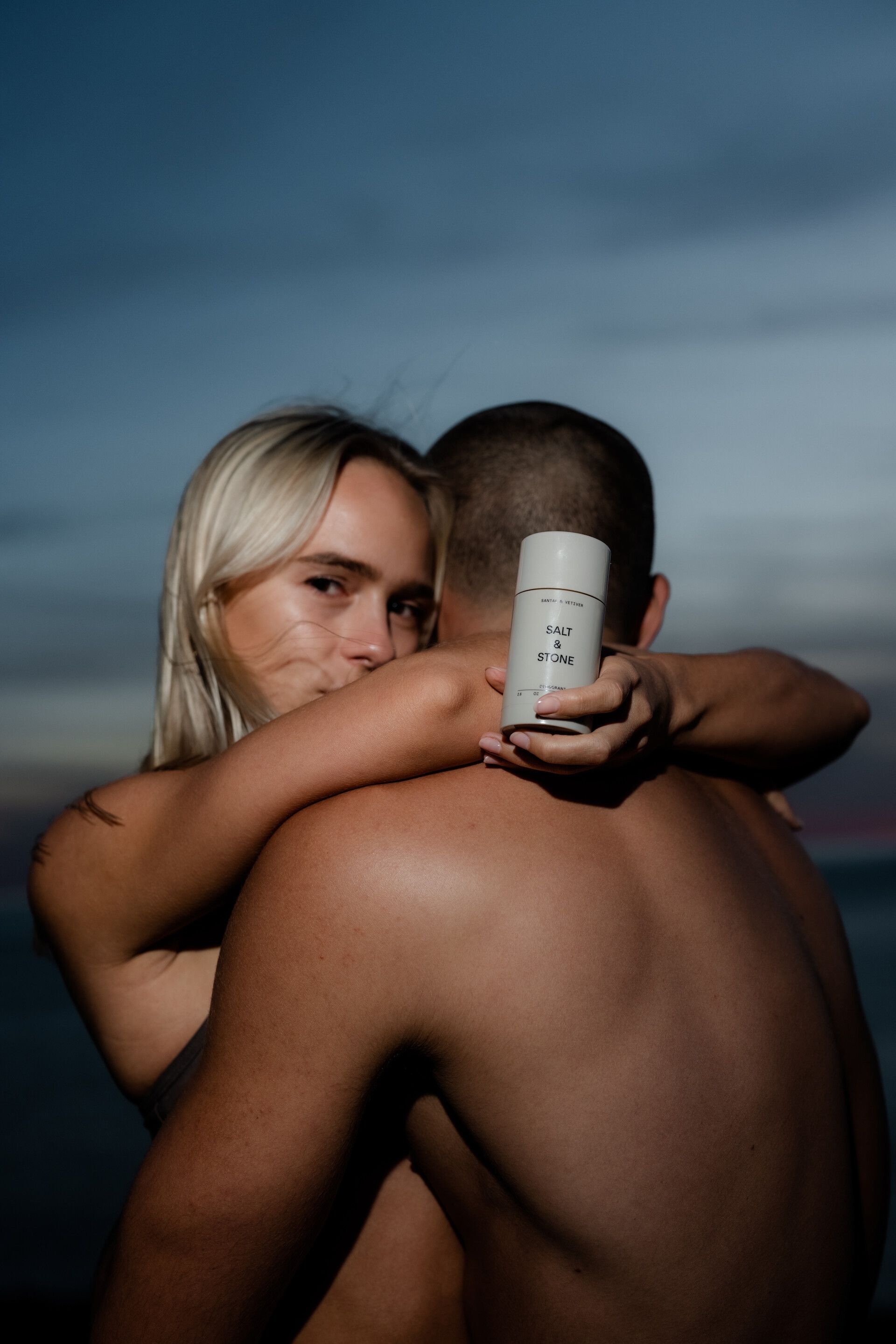
Drawing on Humble Growth’s investment in and exit from Salt & Stone, Benjaafar shares what separates brands that generate attention from those capable of sustaining it at scale; why community has become an increasingly important signal in investment diligence; and what founders should prove before raising capital. She also explores how social media is reshaping beauty discovery and commerce, why TikTok Shop is becoming a meaningful sales channel, and what genuine omnichannel growth looks like as consumers move more fluidly between content, community and commerce.

Her central argument reflects a consumer who is becoming more demanding on both value and performance: “As consumers are trading down on price while trading up on proof, that creates opportunities for efficacy-driven brands that lead with credibility and value.” For founders, that raises the bar beyond capturing attention. The brands that stand out to investors are those that can contextualize their positioning against these changing consumer demands, build genuine desire and back it with the fundamentals needed to sustain growth at scale. 

Humble Growth

When you compare the beauty investment landscape today with even two years ago, what's the biggest shift founders should understand before approaching investors? 

Investors tend to think about the world through the lens of the consumer and what macro themes and durable trends will impact them over time. While business-specific diligence is the core part of our work, we’re doing that against the backdrop of evolving consumer demands and broader themes that we are seeing play out – for better or worse – across our portfolios. A few years ago, those themes might have been “clean,” organic, and back-to-nature ethos and premiumization. Last year, investors were acutely focused on supply chain and managing tariffs.  

Today, you can’t leave any board meeting without discussing the K-shaped economy and how most consumers are shifting towards value as they face increasing economic pressures. It seems like price has stopped being a proxy for efficacy or quality as we all demand more of all the products we use every day – better ingredients, better formulas, lower prices, better results, faster speeds, more available. As consumers are trading down on price while trading up on proof, that creates opportunities for efficacy-driven brands that lead with credibility and value.  

Founders intuitively understand how these trends (whether consumer-specific or not) might affect their business, and it’s important to articulate the first and second-order impacts to investors and have a view on how your brand can capitalize.  

While the macro changes every year, the founders who can contextualize their business and positioning with respect to these durable trends really stand out. 

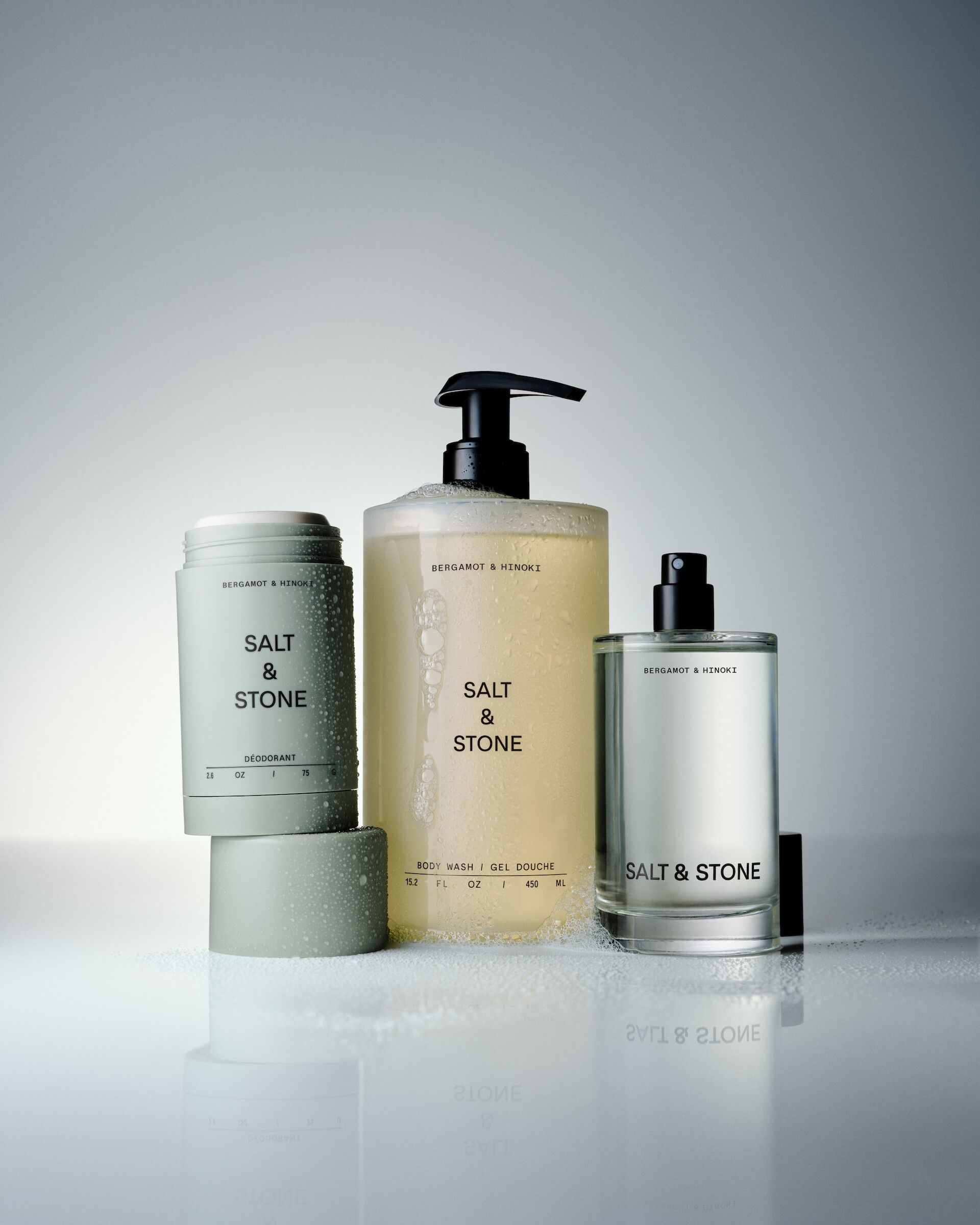
Salt & Stone Bergamot & Hincki

Looking back, what does your investment and exit from Salt & Stone tell you about what separates truly exceptional beauty brands from the rest of the market today?  

Salt & Stone’s story is a special one to be a part of. Nima and his team built an incredible business and a desirable brand…and it’s not easy to do both.  

The team was relentless about stoking demand and desire by being authentic, creative, and uncompromising. Brand partnerships, limited editions, creative marketing campaigns, and new form factors like body mists and creams pulled in new consumers who stayed well past trial, and gave long-term loyalists something new to collect.  

And where a consumer sees a shiny brand from the outside, we as investors were able to see the strong engine of business fundamentals thrumming underneath the surface. The team was led by experienced operators that maintained a disciplined NPD pipeline, a maniacal focus on healthy product margins, a strong repeat purchase rate, and an intentional effort to build a true omnichannel mix across Amazon, DTC, and physical retail.  

Ultimately, the Salt & Stone team has a unique combination of creative vision, pulse on the consumer, and execution of the less glamorous parts of business building. And more than anything, the team was stacked – as the business grew, experienced operators joined across the board to back Nima’s vision. It was humbling and rewarding to watch the business evolve from our investment to exit. 

What separates the exceptional brands is the ability to build real desire and sustain it at scale, all while the fundamentals keep performing. But the best part is the people, and the right ones can make it all happen. As an investor, these are the teams I get most excited about backing. 

Earlier this year, Humble Growth invested in simplyFUEL, joining your portfolio companies Eez and Momentous. As the lines between beauty, wellness and nutrition continue to blur, where do you see the greatest opportunities for consumer brands?  

Now, beauty is wellness is food is beauty…and the consumer habits driving that convergence are where the opportunity sits on the brand side. We’re all naturally holistic evaluators – and we want the best of everything! As people simplify their lives across the board, the categories we know today are collapsing into one, and that puts pressure on each product to work harder in consumers’ daily routines. When you cut the number of things you use, you demand more of the ones that survive: they have to satisfy several core needs at once, or clear a certain bar to stick around.

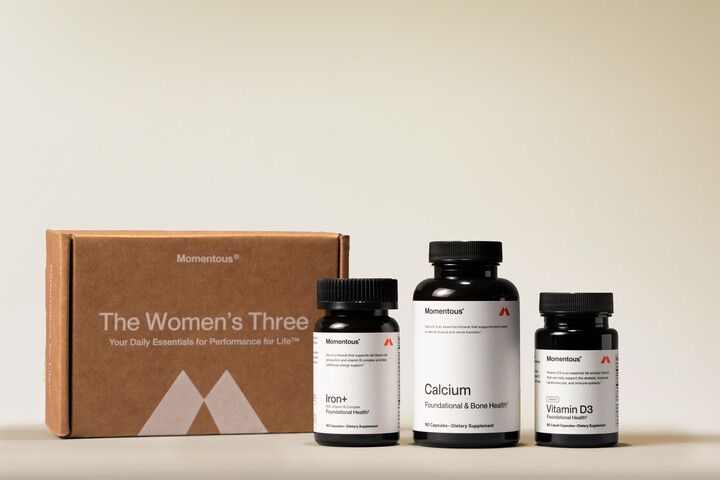
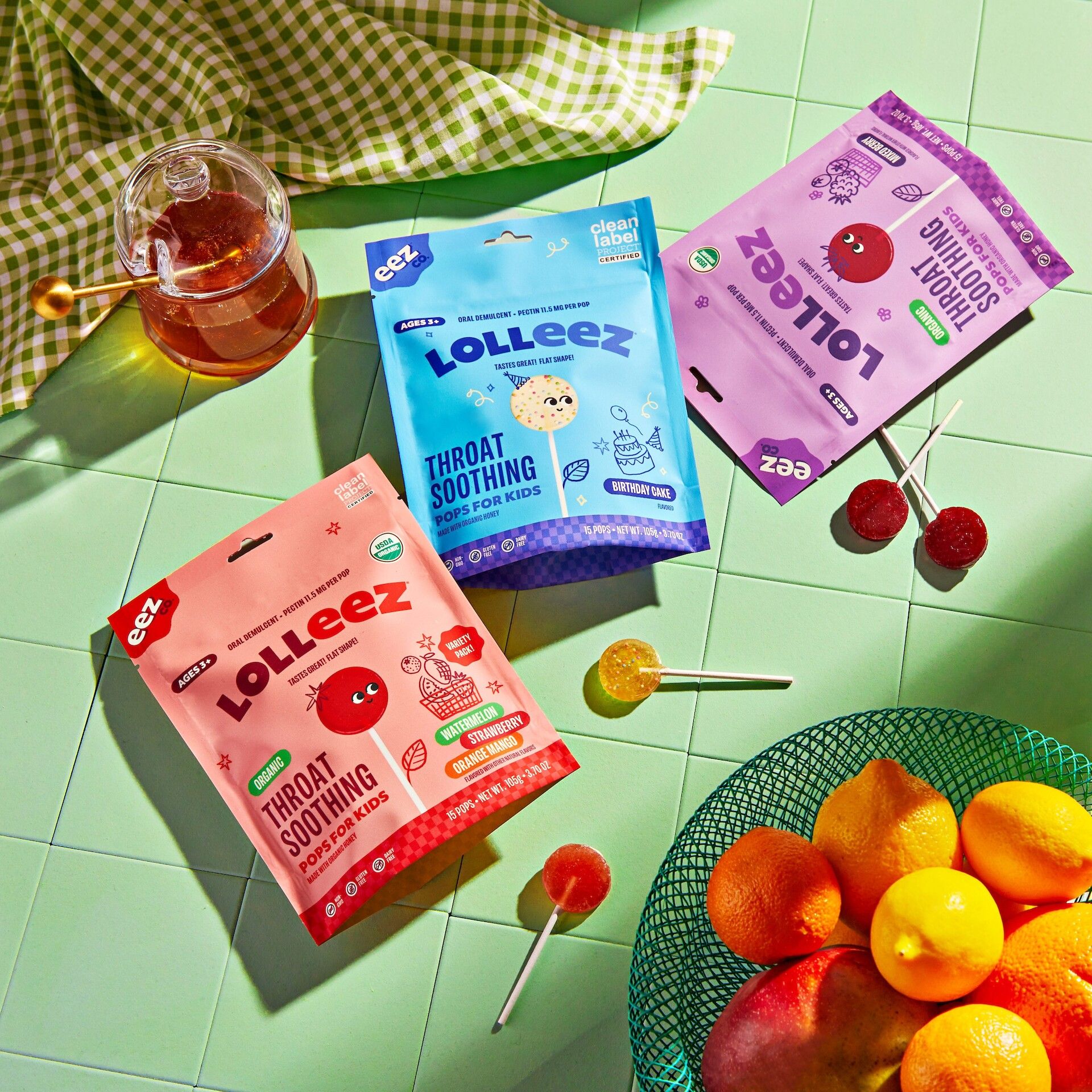
The opportunity for brands is to bundle several real benefits into one product, or to sit at the intersection of two or more categories and the durable trends driving them forward. If I use our portfolio as the example, you can see how that strategy drives growth. simplyFUEL does exactly this, combining indulgence, convenience, and functionality as one of the leaders in high-protein snacking balls. Momentous brings clinical-level credibility and product performance trusted by best-in-class athletes into an everyday routine. And Eez took a nostalgic format – the lollipop – and built a family wellness platform on it: the brand started with Lolleez, throat and cough relief for kids, and now spans cough and cold, multivitamins, digestion, and sleep across OTC and supplements. 

The throughline with all these brands, Salt & Stone included, is that they’re a part of consumers’ daily rituals and they scratch multiple itches. Habits and routines are the perfect place to meet your consumer, and that’s where the momentum is: ingestibles and topicals working together, with longevity as the umbrella over both. Ultimately, none of these strategies work without an amazing product underneath, since that’s what consumers reach for above all! 

SARELLY 2

What qualities immediately make a founder or business stand out to you before you've even looked at the financials?  

It’s definitely product first! Really good products are what we’re all passionate about at the end of the day. It’s the goop in the bottle, the packaging, the brand storytelling – you need the foundation of a great product to be able to build a great business.  

The product’s launch into market tells us a lot, too: the positioning and assortment tell you about the team’s understanding of the market and their competitors, and whether they understand what has or hasn’t worked for brands that came before them. When you’re first introduced to a brand, there should be a consumer you can describe, a few retailers or channels where it’s a fit, and (if you picture a scaled-up version of the brand) several strategic acquirors whose portfolios it could slot into. 

The other half of it is the founder – and that’s the part I keep thinking about long after the meeting. I love seeing someone light up talking about their product, and when they are just as open about what’s hard, because the ups and downs are all part of the job. Beyond that, it’s about what makes this the right person to build this particular business – the advantage only they have – and whether they know what they’re not good at and will hire for it. It’s also great when founders aim for where they want the business to land at exit, because you can usually tell when the strategy falls out of that ambition. 

More tactically, investors are trying to figure out what gives a brand its special sauce – it could be a patent, insider know-how, a marketing superpower, or speed-to-market driven by manufacturing. To tell whether that differentiation is landing in the early stages of a brand’s launch, we watch follower growth, organic reviews, retailer inbounds, and press coverage. And when we chat with founders, I’m always impressed by someone who has done their homework and has a plan for the capital they’re raising since it gives me the most excitement about where to lean in and support them. 

When you're watching founders present in Beauty Connect’s Emerging Brand Spotlight, what are the signals that make you want to continue the conversation afterwards?  

Passion comes through right away when a founder loves what they’re building, and that’s the fuel behind the business. From there, it’s about whether they can describe the problem they’re solving and the product they built clearly enough that their audience gets it right away. Layering on data points about performance, market size, competitors, margins, or operations adds credibility and shows they know their business inside and out. 

The Q&A is also important – answers to hard questions are hard to rehearse and can show what it might be like to work together. Founders can also use the Q&A to acknowledge the places they want support. Some of my favorite conversations with founders have left me with a clear idea of where to lean in to help them scale, and that’s when I feel most excited to keep chatting.

Momentous

How important has it become for brands to build the right partner ecosystem early in their scaling journey, ahead of raising capital?  

We’ve been chatting about products, but the more time I spend in our world, the more I realize this is really a people business. Surrounding yourself with the right people on every front smooths your path and can help you avoid making mistakes as you grow. 

Having people in your orbit who have been down that road before helps you make better decisions along the way. The right retailer matters, but a real partner who believes in you can help you optimize timing, door count, assortment, and launch support. Same idea with supply chain and manufacturing – the right partners give you the flexibility to say yes when demand shows up and solve problems with you when there are hiccups. It goes on across every function. 

Same concept applies for investors – getting to know them before you need them means fundraising doesn’t feel like a round of cold intros, and in the meantime, you get to see what they can do for you while they’re trying to win you over. A word from another founder in your ecosystem is still the highest-signal, lowest-cost endorsement out there, and you’d be surprised how often founder-to-founder references come up in our team conversations.

What do you think separates brands that build genuine omnichannel momentum from those that simply sell through multiple channels?  

In a true omnichannel business, each channel is doing its own job. Selling through multiple channels is just distribution; real omnichannel means the consumer gets something thoughtful and different everywhere they meet you. The brands that pull that off drive the highest loyalty and build the strongest communities. Especially in beauty, people want to feel special when they shop, and I think they deserve to. 

Being an investor has given me perspective on what actually drives each dollar of revenue on a P&L. With the level of data we all have access to, we can peel back the layers and see any one customer’s journey: you can track why someone switches from one retailer or brand or product to another and try to understand how they think. This exercise feels intimate, relatable, and human, and it’s my favorite part of my job. Especially now, when a dollar is harder to come by, it’s easy to understand why a channel that adds nothing new is a channel that’s skipped.

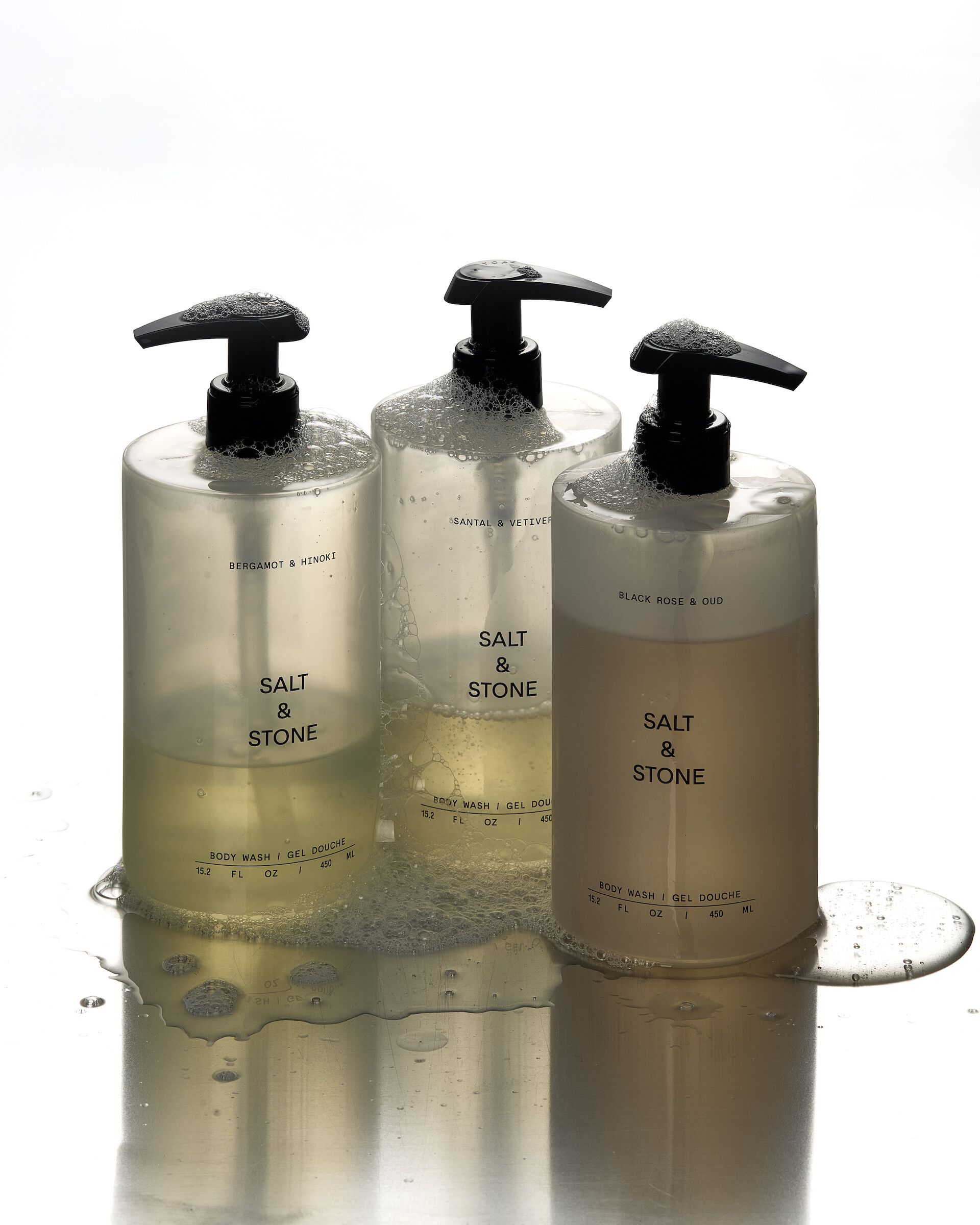
Consumers’ journeys always start with product. It has to be good enough that people will buy it online, in person, and in more than one place. Then you can build your packaging, the look and feel of the brand, and the actual shopping experience around that. Salt & Stone is a great model. On DTC you step into their brand world and shop exclusive fragrances and bundles. On Amazon, you reorder in two clicks, because the listing is built for replenishment. And in Sephora, you can touch and feel and smell the fragrances in a retail environment that fits the brand. Social runs across all of it, and increasingly it’s a storefront in its own right. TikTok Shop is a real dollar-generating sales channel now, not just a place to browse. 

When we stress-test omnichannel distribution in diligence, the question we keep coming back to is whether a new channel is truly additive or just cannibalizing an existing one. Beyond that, we look at repeat rate by channel and how consumers interact with the brand at each touchpoint.


Lolleez

If a founder walked into Beauty Connect with twelve months until they'll be raising capital, what would you tell them to prioritize first?  

Product margins! They will support every single thing you’ll want to do as you build, and it’s one of the things that investors and acquirors care about most. If you’re disciplined about this in the early days, you’ll have a massive leg up on other brands of your size as you manage your P&L toward profitability while also spending more on people, marketing, and everything else that comes with growth. The other thing is that product margins can be sticky and harder to improve when your product is working in the market, so if you start off on the right foot you’ll be in good shape. 

After that, it’s exciting to see you proving you can win in the channel you launched into with consistent velocities, with a vision for what channels come next. This doesn’t have to be totally set in stone, but you should be building toward it and ideally that’s part of what the raise unlocks. 

Ultimately, if you’re bringing on an outside investor, you should understand our business too. A partner like Humble is generally looking to exit an investment over a multi-year hold period, typically by selling to a larger private equity fund or a strategic acquiror. For that to happen, ask yourself how big you would need to be by then, what the margins and channel mix would look like, what team you would need, and which investor can take you there. Then, spend the next twelve months building to that conversation. 

If putting someone on your cap table is like getting married, then the process of raising money is like dating. It can be long and time-consuming, but it’s about building relationships and getting to find the right match for you. So, get your data in line early, make sure the business continues to perform, and fix the boring things now, then get out there! 

What's one prediction you have for the beauty and wellness industry over the next 18 months that you think more people should be paying attention to?  

If I had to pick a theme, it’s that fragrance and color can become the biggest sources of new consumers in beauty. We’ve all spent the last few years underwriting function, and I think the next wave of new consumers walks in through the categories that are mostly about how something makes you feel as that functional layer becomes table stakes.  

We’ve been seeing this in fragrance for the past few years, but Gen Z men provide an interesting case study. They are building real routines, and most of them come in through scent (speaking from experience with my Gen Z younger brother…hi Ty). No single brand owns this consumer yet, and because traditional retail doesn’t reach them as easily, especially at higher price points, Amazon and TikTok Shop are the dominant channels for discovery and shopping now. Whoever builds specifically for that consumer, in those channels, has room to run. 

Color is the other one. Consumer dollars will always find their way to color brands, but this time the winners will be built on skincare-grade formulation and hybrid products rather than trend palettes – a color product that earns its place because of what it does for your skin (or where it sits in the routine to amplify the next step or simplify the whole thing), not because of a shade drop. Both of these steps are where new consumers often start, and I think that’s where the next generation of scale can get built. 

Looking ahead ten years, what do you think will define the next era of beauty - and what types of businesses do you think will create the greatest long-term value?  

Now that GLP-1s have reset how people think about their health, I believe broader consumer trends will keep moving toward general wellness and longevity. A decade from now the routine itself will look different: fewer steps, fewer products, and no meaningful line between beauty, wellness, nutrition, and medicine. Underneath that, ingredient and biotech innovation is moving from labs to our routines faster and faster, and brands that own IP or exclusivity on an active will have real durability. 

At the same time, we’re all using AI far more – while it’s a powerful tool for data analysis, often consumers are using it for shopping decisions. This accelerates speed to market and changes which products spike in the first place. Now, when consumers ask their assistants what to buy, the search is optimized for real evidence and a clear ingredient story even more than vibes, and it’s global by default.

Salt & Stone

Beauty Connect is celebrating its 10th anniversary this year. From your perspective as an investor, what has changed most dramatically about beauty over the last decade, and what has surprisingly stayed the same?  

2016 was such a fun time in beauty…hard to believe that was a decade ago! It felt like the peak of the beauty guru era, and the moment we started to understand how to use the internet to capture consumer demand in the category. 

To me, we’ve just built on the groundwork from 2016 and sped everything up: the center of gravity for online beauty content has moved from YouTube to TikTok and livestreaming. From a channel POV, TikTok Shop is now a real store, Amazon is the biggest beauty retailer in America, and ease of access has driven exploration so any given routine is split across far more brands than it used to be. 

2016 was about backing color and backing creators. Today the range of brands is so much wider across formats and product types, and many are practitioner-led (derm, doctor, artistry / stylist). Injectables also went from something people didn’t discuss to something they book between meetings, and consumers are starting younger and younger. All these dynamics change what they ask a topical to do in the first place. I’m most excited about the new hybrids, products that complement in-office treatments as medical solutions get cheaper and more accessible for everyday use. 

Even though the world around us is changing with AI, injectables, social media, and globalization, so much has stayed the same. We all love beauty because of how it makes us feel, no matter what the clinicals say. It’s a business of desire, word of mouth is still a huge part of the game, and founders still win on taste and conviction – none of that can ever be automated or manufactured. 


Salt & Stone

How has the importance of community changed in your investment thesis?  

Community love before a broader retail rollout can be such a clear indicator of product-market fit and of a brand’s ultimate staying power. What’s changed is how much weight it carries in our diligence – it’s one of our early temperature checks as we learn more about a business. Much of it is public, like social following, sentiment analysis, and organic mentions. The rest is quieter and comes through our ecosystem: from retailers, from other investors, and from founders who advocate for each other. In the early days of building a brand, community is the demand you didn’t have to pay for, and that’s the base of what we’re betting on.

Community can also be the first place you’ll see what’s not working in your business. With social media, you can get immediate feedback on new launches long before the sell-through data catches up. And if a large online audience doesn’t convert, or there’s a mismatch between the founder’s community and the brand’s, that can raise questions about whether the product has really found its market. 

When community is working, it shows up in the numbers: acquisition costs come down, repeat goes up, new launches within a line pick up faster, and retailer sell-through is stronger in the first two months. 

What are you most looking forward to discussing with founders, retailers and fellow investors at Beauty Connect LA this October?  

I’m excited to see everyone in LA! Mostly, I want to hear what people are actually using morning to night in their routines, and what’s surprised or excited them most in beauty this past year. 

From retailers, I want to know what’s working on shelf versus online (since those two don’t always match) and what they’re looking for now. From founders I want to hear about what’s hard, what their founder friends are saying, what makes them nervous about raising, and how investors can (and should) be more helpful. From my investor friends, I always leave with the best scoop on what just launched and what’s coming soon. 

On my end, I’m always happy to trade notes and see where we could be helpful. The Emerging Brand Spotlight is one of my favorite parts of the whole event. And ten years in is a real milestone, so I want to hear what people think about the ten to come!

Disclosures 

The views expressed are those of the author as of the date of publication and are subject to change without notice. They do not necessarily reflect the views of Humble Growth or its affiliates. Nothing herein constitutes investment, legal, tax, or accounting advice, or a recommendation to buy or sell any security. 

This material is not an offer to sell, or a solicitation of an offer to buy, any interest in any fund or other investment vehicle managed by Humble Growth. Any such offer would be made only pursuant to definitive offering documents. 

References to specific portfolio companies are illustrative only, do not represent all investments made by Humble Growth, and should not be construed as a recommendation. It should not be assumed that any investment discussed was or will be profitable. Past performance is not indicative of, and is no guarantee of, future results. 

From community to commerce: continue the conversation at Beauty Connect LA 

One theme runs throughout Benjaafar’s outlook: relationships increasingly sit behind commercial growth. 

For investors, community can provide an early indication of product-market fit before wider retail expansion. For brands, social platforms can provide an immediate feedback loop between consumers and new launches. And when that relationship translates commercially, Benjaafar says the impact can be seen in lower acquisition costs, stronger repeat purchase, faster adoption of new launches and improved early retail sell-through.  

The channels themselves are changing too. As Benjaafar puts it, social now runs across the omnichannel journey and is increasingly “a storefront in its own right,” with TikTok Shop operating as a meaningful revenue-generating sales channel rather than simply a place for product discovery.  

These connections between creators and consumers, community and commerce, digital discovery and physical retail, brands and the partners that help them scale will continue to shape the conversations across the Beauty Connect community. 

Sirine Benjaafar joins Beauty Connect LA 2026 this October as a member of the Investor Advisory Board, where she’ll connect with founders, retailers and fellow investors and help identify the emerging brands attracting attention through this year’s Emerging Brand Spotlight.  

Join the Beauty Connect community in Los Angeles, October 28-30, 2026, to build the relationships behind beauty’s next phase of growth. 

Step Into Beauty
We hope you can join us this October
and let us help you drive the future of
modern beauty at Beauty Connect LA.